The system creates a single, geo-referenced digital record of all buildings in the city, where physical attributes, ownership details, land use, approvals, and compliance data are linked directly to their spatial location. This allows the municipal officials to move away from fragmented paper records and work with an integrated map-based view of the city, making information easier to access, verify, and update. As a result, building permits and development approvals become faster and more transparent, since zoning regulations, f loor area ratios, setbacks, and height restrictions can be checked instantly against mapped data, while unauthorized constructions can be identified more efficiently.
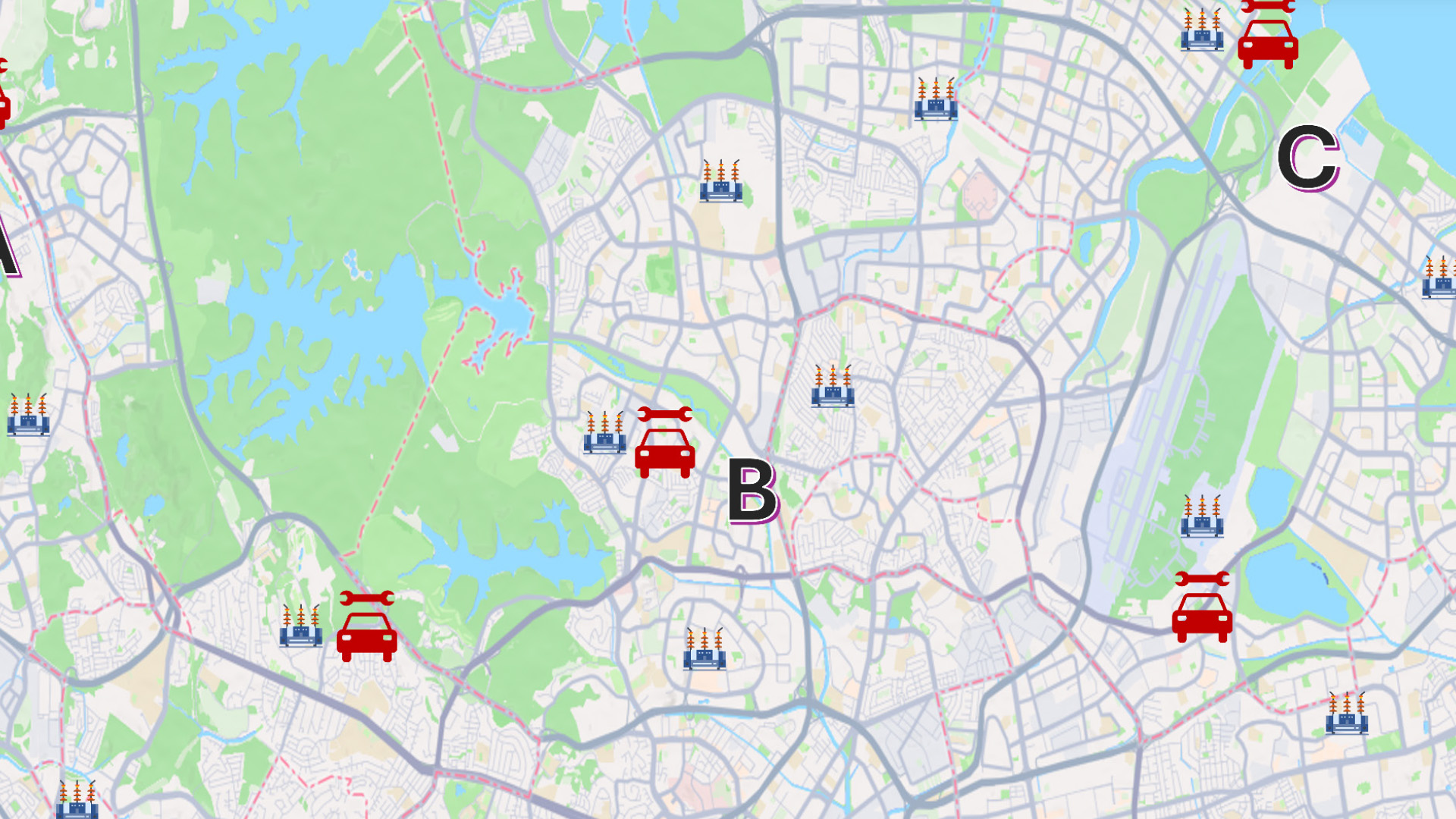
The system is also significantly helping in improving disaster preparedness and emergency response by enabling authorities to quickly locate vulnerable or high-risk buildings, critical facilities like hospitals and schools, and optimal access routes during fires, floods, or earthquakes. When building information is linked with utility networks such as water supply, sewerage, electricity, and roads, municipalities can plan maintenance more proactively, reduce service disruptions, and manage infrastructure assets more effectively.
The GIS-based building information management system also strengthens property tax assessment by accurately capturing building footprints, usage, and expansions, helping identify under-assessed or unregistered properties and thereby increasing municipal revenue without raising tax rates. It streamlines property management by integrating mobile geospatial survey tools with a centralized administrative dashboard for data-driven oversight. It bridges the gap between field-level building data collection and real-time f inancial and analytical reporting.
In urban planning and governance, the GIS-based Building Information Management supports data-driven decisions on density control, land-use optimization, environmental sustainability, and climate resilience. It also enhances transparency and citizen services by enabling public access to building permits, landuse plans, and property information through the portal, thereby improving accountability and trust in municipal administration.